
Caregiving expenses extend far beyond obvious medical bills and prescription costs. Understanding the full financial scope of caring for senior loved ones helps families plan more effectively and avoid unexpected financial strain.
Transportation and Medical Appointment Costs
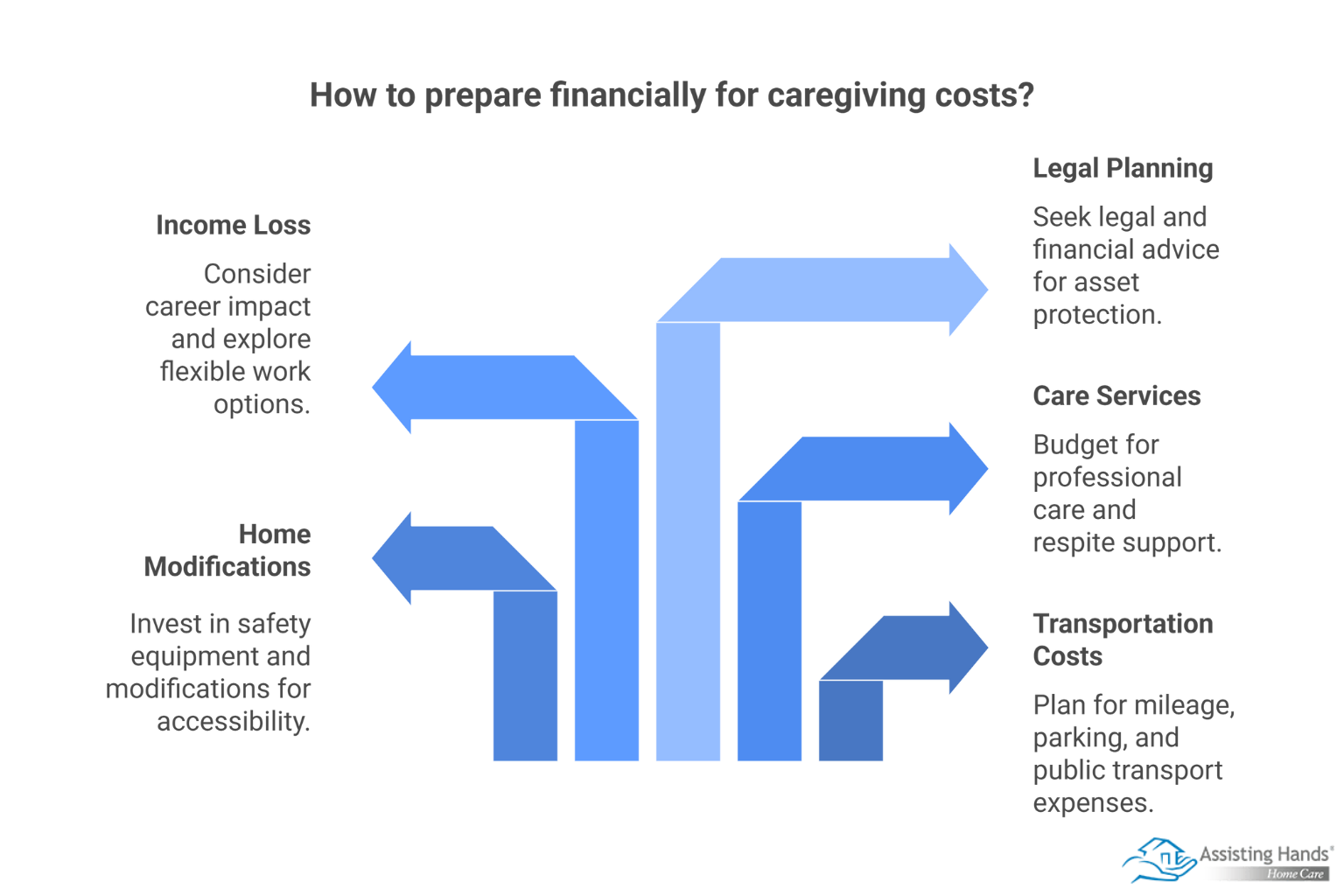
Getting to and from medical appointments creates ongoing expenses that can quickly accumulate throughout the caregiving journey. Regular doctor visits, specialist consultations, physical therapy sessions, and diagnostic tests require reliable transportation. If your loved one can no longer drive safely, you might need to take time off work, hire transportation services, or pay for gas and parking fees for frequent trips.
- Mileage costs for driving to appointments and pharmacy visits
- Parking fees at hospitals and medical facilities
- Public transportation or rideshare expenses when driving isn’t possible
- Potential lost wages from taking time off work for appointments
- Vehicle wear and tear from increased driving
Consider keeping a mileage log for potential tax deductions and research transportation assistance programs in your area that might offset some of these costs.
Home Modifications and Safety Equipment
Creating a safe living environment often requires significant up-front investments in home modifications and specialized equipment. As mobility or cognitive abilities decline, homes need adaptations to prevent falls and maintain independence. Bathroom safety equipment, ramps, stairlifts, and improved lighting systems represent major expenses that insurance may not cover.
- Bathroom modifications like grab bars, shower seats, and raised toilet seats
- Ramps or stairlifts for accessibility
- Medical alert systems and monitoring devices
- Specialized furniture like hospital beds or lift chairs
- Door locks, alarms, and other safety equipment for dementia care
Research local programs that offer grants or low-interest loans for home modifications. Some utility companies also provide rebates for safety-related electrical work.
Care Services and Respite Support
Professional care services become necessary as caregiving demands increase beyond what family members can manage alone. Adult day programs, in-home care services, and respite care provide essential support but come with substantial costs. Even part-time assistance can strain budgets, while full-time care often costs more than many families anticipate.
- Home caregivers and personal care assistants
- Adult day care programs and social services
- Respite care for family caregiver breaks
- Meal delivery services and housekeeping help
- Professional care management and coordination services
Investigate veteran benefits, Medicaid waiver programs, and local Area Agency on Aging resources that might help you subsidize care costs.
The type of homecare services seniors need can vary. Some need assistance a few hours a day, while others require more extensive around-the-clock assistance. At Assisting Hands Home Care, we tailor our care plans based on each senior’s individual care needs, and the plans can be adjusted at any time.
Caregiver Income Loss and Career Impact
Many caregivers reduce work hours or leave their jobs entirely, creating significant long-term financial consequences. The Family Caregiver Alliance reports that caregivers lose an average of $303,880 in lifetime wages and benefits due to caregiving responsibilities. This includes immediate income loss, reduced retirement savings, and missed career advancement opportunities.
- Reduced work hours or unpaid leave time
- Lost promotional opportunities and career advancement
- Decreased retirement contributions and employer benefits
- Potential job loss from caregiving demands
- Professional development and networking limitations
Explore Family and Medical Leave Act protections, flexible work arrangements, and employee assistance programs that might help you maintain employment while caregiving.
For many families, reduced wages simply aren’t a viable financial option, but they still want their loved ones to be able to age in place. Living independently is important for seniors who want to maintain a high quality of life. For some, this simply means receiving help with tasks that have become more challenging to manage over time. Even when families have the best intentions, they may not have the time to provide the care their elderly loved ones need and deserve. If your loved one needs help for a few hours a day or a few days a week, reach out to Assisting Hands Home Care, a trusted provider of respite care Miami seniors can depend on.
Legal and Financial Planning Expenses
Proper legal documentation and financial planning require professional services that protect both caregivers and care recipients. Estate planning, guardianship proceedings, and financial management services ensure proper decision-making and asset protection. These services require up-front investment but prevent costly legal problems later.
- Elder law attorney consultations for estate planning
- Guardianship or conservatorship legal proceedings
- Professional financial planning and money management services
- Insurance policy reviews and long-term care planning
- Tax preparation and financial record organization
Start these conversations early when your loved one can still participate in decision-making, as this typically reduces overall legal costs and complications.
Being the primary caregiver for a senior loved one can be incredibly rewarding, but unexpected circumstances can make it necessary to seek outside assistance. Seniors can face a variety of age-related challenges. Though some families choose to take on the caregiving duties, there may come a time when they need a trusted Miami home care provider. Families sometimes need respite from their duties so they can focus on their other responsibilities, and some seniors need around-the-clock assistance that their families are not able to provide. Assisting Hands Home Care is here to help. For reliable in-home care services, contact us today.