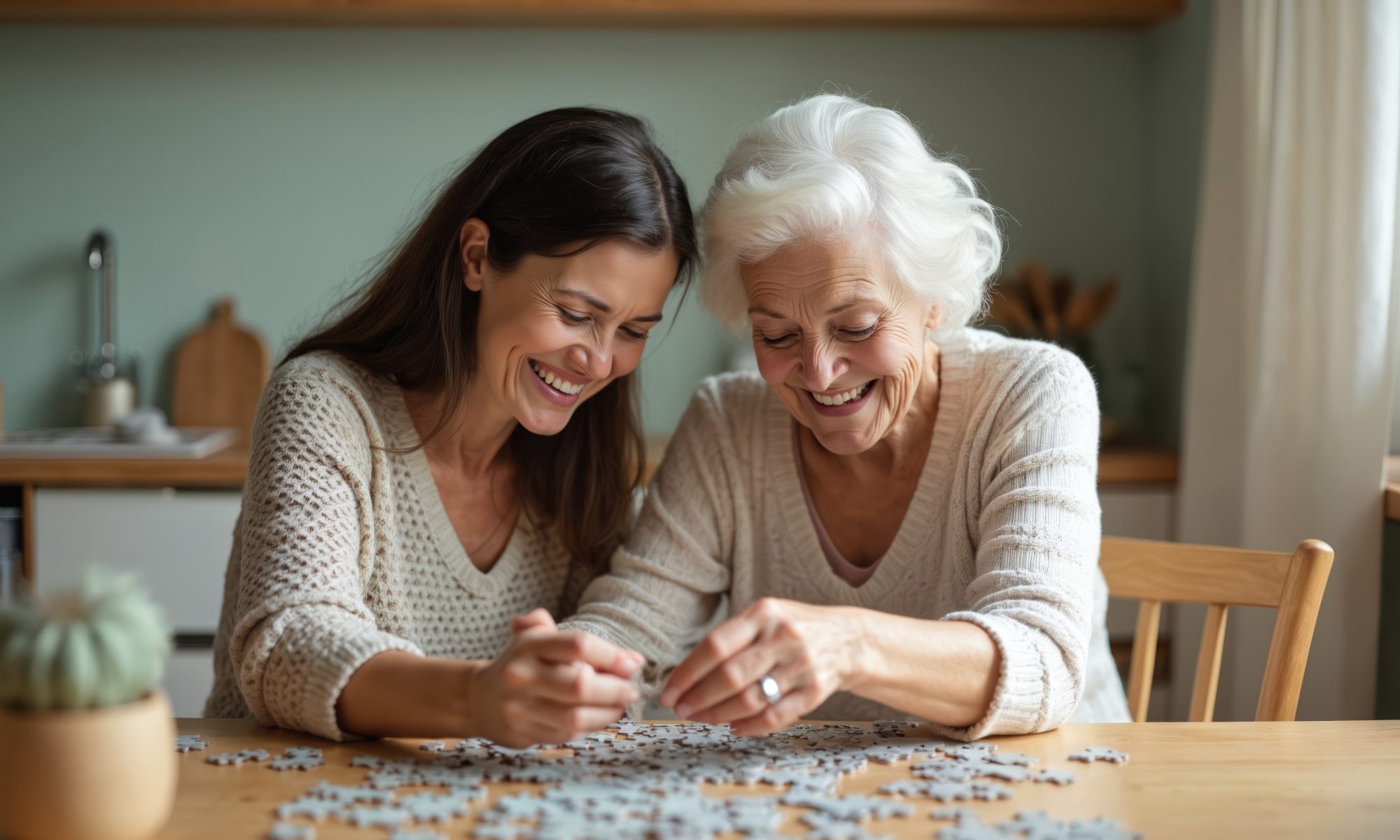
The best activities for seniors receiving in-home care are those that balance mental stimulation, gentle physical movement, creativity, and social connection. Staying active and engaged is crucial for the physical and mental wellbeing of seniors receiving care at home. From stimulating hobbies to light physical exercises, the right activities can significantly enhance quality of life and help seniors maintain a sense of independence.
How Do Cognitive Exercises Support Mental Sharpness at Home?
Keeping the mind sharp is just as important as maintaining physical health, especially for seniors who spend most of their time at home. Cognitive activities help seniors maintain neural connections, potentially slowing the progression of memory loss or dementia. These exercises should be challenging enough to be stimulating but not so difficult that they cause frustration.
Caregivers can facilitate these mental workouts through various enjoyable pastimes:
- Puzzles and games – Jigsaw puzzles, Sudoku, crosswords, and word searches are excellent for problem-solving skills.
- Card and board games – Classic games like solitaire, bridge, Scrabble, or chess offer both mental stimulation and social interaction.
- Reading and audiobooks – For seniors with good eyesight, reading is a wonderful escape. For those with vision impairments, listening to audiobooks or being read to by caregivers provides the same cognitive benefits.
- Memory exercises – Simple activities like looking through family photo albums and recalling names, dates, or stories associated with the pictures can be powerful tools for memory retention.
Older adults living with cognitive decline due to conditions such as Alzheimer’s or dementia can gain special benefits from practicing activities that are mentally stimulating. Aging in place can present a few challenges for seniors living with dementia. However, with professional dementia care that offers Miami families peace of mind, they can still live independently at home. Families can rely on Assisting Hands Home Care to provide their elderly loved ones with mental and social stimulation, timely medication reminders, assistance with meal prep, and much more. Our caregivers are available around the clock to help your loved one live a happier and healthier life.
Which Physical Activities Are Safe for Seniors at Home?
Physical activity is vital for maintaining mobility, balance, and muscle strength, which are essential for preventing falls. However, safety is the priority. Activities should always be tailored to your loved one’s specific physical capabilities and approved by a healthcare provider. Even light movement can boost circulation, mood, and sleep quality.
Here are some accessible physical activities for the home environment:
- Chair exercises – Seated aerobics or “chair yoga” allows seniors to stretch and strengthen their muscles without the risk of losing balance.
- Indoor walking – If space permits, walking around the house or marching in place can help seniors maintain cardiovascular health.
- Light stretching – Gentle stretching routines in the morning can reduce stiffness and increase flexibility.
- Gardening – For those with access to a patio or sunny window, tending to potted plants or a small herb garden engages fine motor skills and provides light physical exertion.
If you usually help your loved one exercise but need a break now and then, consider having a professional caregiver take over for you. Families in southeastern Florida who find it difficult to care for their aging loved ones without assistance can benefit greatly from professional Miami respite care. Family caregivers who need a break from their caregiving duties can turn to Assisting Hands Home Care. Our caregivers can encourage your loved one to eat well, exercise regularly, get plenty of mental and social stimulation, and focus on other lifestyle factors that promote longevity.
Why Are Creative Arts Beneficial for Seniors in Home Care?
Engaging in creative outlets allows seniors to express themselves and provides a tangible sense of accomplishment. Art and music therapy are well-documented methods for reducing anxiety and depression in older adults. These activities focus on the process rather than the result, allowing seniors to explore their interests without pressure.
Consider incorporating these creative endeavors into your loved one’s daily routine:
- Painting and drawing – Watercolors, colored pencils, or adult coloring books are relaxing ways to practice dexterity and focus.
- Knitting or crochet – For seniors with the manual dexterity to do so, working with yarn is a soothing repetitive action that results in useful items.
- Music therapy – Listening to favorite songs from the past can evoke positive memories and boost mood. Singing along or playing simple percussion instruments adds an active element.
- Scrapbooking – Organizing photos and mementos into a scrapbook is a creative way to preserve family history and stimulate conversation.
How Can Technology Reduce Isolation for Seniors at Home?
Social isolation is a significant risk for seniors receiving in-home care, but modern technology offers new bridges to the outside world. With a little assistance from caregivers, technology can help seniors stay connected with distant family members and friends, reducing feelings of loneliness.
Key technological activities include:
- Video calls – Platforms like FaceTime, Zoom, or Skype allow face-to-face interaction with grandchildren and relatives who live far away.
- Social media – Browsing Facebook or Instagram helps seniors see updates and photos from their communities and families.
- Virtual tours – Many museums, zoos, and national parks offer virtual tours online, allowing seniors to “travel” and learn new things without leaving their armchairs.
- Digital games – Tablet-based games are often designed with large, easy-to-read interfaces and can be played with family members remotely.
What Sensory Activities Comfort Seniors with Advanced Needs?
For seniors with advanced cognitive decline or limited mobility, sensory activities can be incredibly soothing and grounding. These activities focus on the five senses—sight, smell, touch, taste, and sound—to help seniors feel more connected to their environments and the present moment.
Effective sensory activities might include:
- Aromatherapy – Using essential oils like lavender or citrus can calm nerves or boost energy.
- Texture exploration – Handling fabrics with different textures, such as velvet, silk, or wool, can provide tactile stimulation.
- Nature watching – Setting up a bird feeder outside a window provides visual entertainment and a connection to the outdoors.
- Hand massages – A gentle hand massage with scented lotion offers comforting touch and promotes relaxation.
Frequently Asked Questions
What types of activities are included in home care services?
Home care services often include activities like light exercise, arts and crafts, puzzles, and hobbies tailored to the individual’s interests and abilities.
How do caregivers choose appropriate activities for clients?
Caregivers assess the client’s preferences, abilities, and needs to create engaging and meaningful activities.
Can home care activities boost mental and physical health?
Yes, activities are designed to promote cognitive stimulation, physical movement, and emotional wellbeing.
Are social activities included in home care services?
Caregivers can facilitate social interactions through group activities, virtual calls with loved ones, or outings when appropriate.
How do caregivers adapt activities for individuals with limited mobility?
Caregivers modify activities to ensure they’re accessible, such as seated exercises, simple crafts, or interactive games that don’t require physical strain.
Engaging in healthy activities can help seniors who are receiving in-home care retain their independence and enjoy a high quality of life. Not every Miami senior has the same care needs, which means they don’t all need the same type of homecare services. Families can rely on Assisting Hands Home Care to provide individualized care plans to meet their elderly loved ones’ unique care needs. Our caregivers help seniors focus on healthy lifestyle habits such as eating nutritious foods, exercising regularly, and maintaining strong social ties, and we offer mentally stimulating activities that can boost cognitive health and delay the onset of dementia. To hire a dedicated caregiver, call Assisting Hands Home Care today.