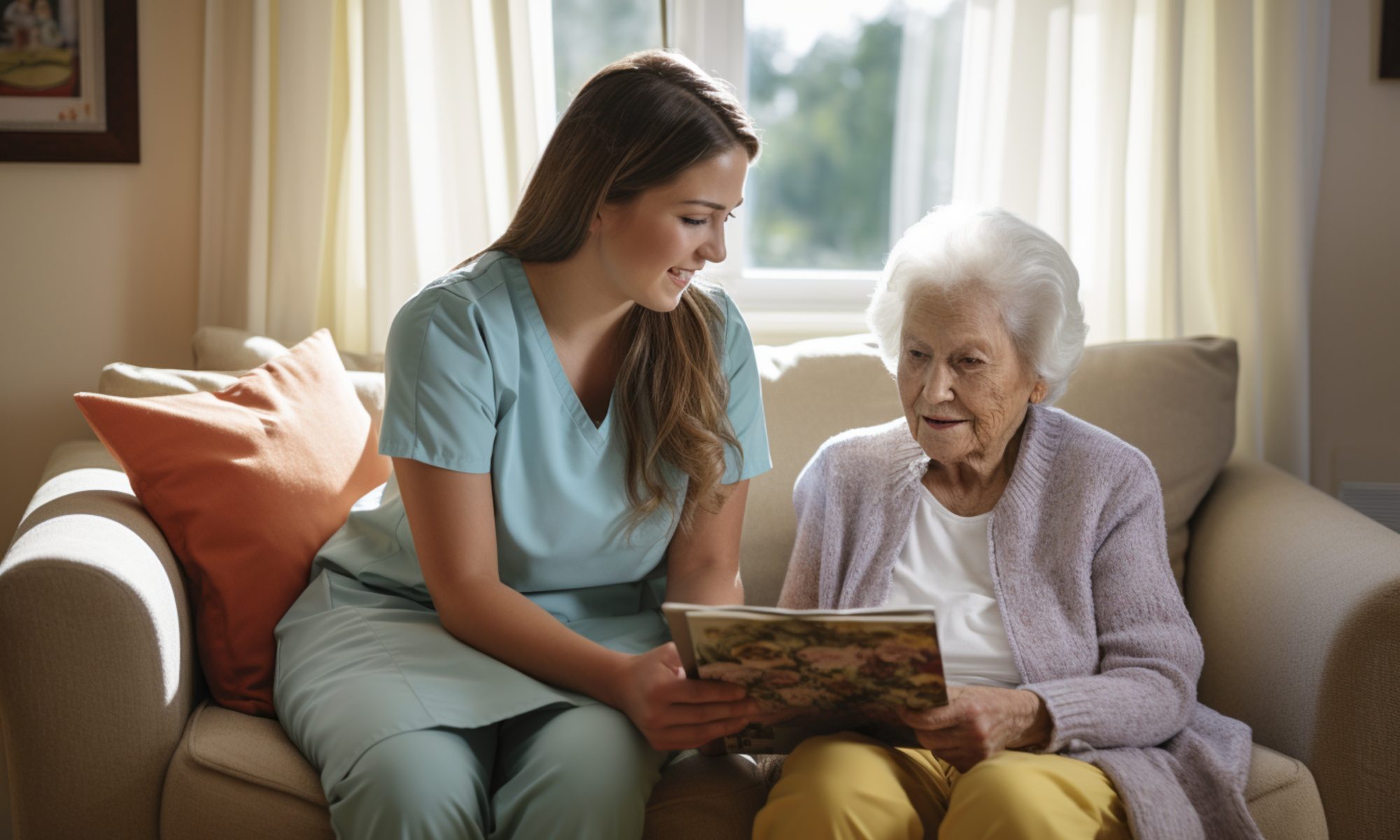
Reminiscence therapy offers a powerful way to connect with dementia patients by tapping into their long-term memories, which often remain intact even as recent memories fade. This therapeutic approach uses familiar objects, music, photographs, and stories to trigger positive memories and emotions. For caregivers and families, reminiscence therapy provides a meaningful tool to boost quality of life and maintain emotional connections with senior loved ones experiencing dementia.
What Is Reminiscence Therapy?
Reminiscence therapy is a structured intervention that encourages people with dementia to recall and share memories from their past. Unlike other therapeutic approaches that focus on the present or future, this method celebrates what dementia patients can still remember clearly.
The therapy works because long-term memories are typically preserved longer than short-term memories in dementia patients. These memories are stored in different areas of the brain that may be less affected by the disease’s progression.
Key components of reminiscence therapy include:
- Sensory triggers like familiar scents, textures, or sounds
- Visual aids such as photographs, objects, or memorabilia
- Musical elements from the individual’s era
- Storytelling and guided conversation
- Group or individual sessions led by trained facilitators
Benefits for Dementia Patients
Research shows reminiscence therapy can significantly boost wellbeing in people with dementia. The therapy helps dementia patients feel more connected to their identities and personal histories even as other cognitive abilities decline.
Primary benefits include:
- Reduced anxiety and depression – Positive memories can elevate mood and create feelings of comfort.
- Enhanced sense of self – Recalling past accomplishments and relationships reinforces personal identity.
- Increased social interaction – Sharing stories encourages communication with caregivers and other patients.
- Better sleep patterns – Engaging in meaningful activities during the day often leads to more restful nights.
- Increased cognitive stimulation – The process of retrieving memories exercises remaining cognitive functions.
Dementia patients often become more animated and engaged during reminiscence sessions, showing increased alertness and emotional responsiveness that may not be present during other activities.
There are many reasons seniors might need assistance at home. Some may require regular mental stimulation due to a dementia diagnosis, while others might only need part-time help with exercise and basic household tasks. Home care Miami from Assisting Hands Home Care provides expertly trained caregivers who help seniors maintain independence and a high quality of life. Families trust our compassionate team to support their loved ones safely and comfortably in their own homes.
Practical Techniques for Caregivers
Caregivers can easily incorporate reminiscence therapy techniques into daily routines without special training or expensive equipment. The key is creating a comfortable environment where dementia patients feel safe to explore their memories.
Effective approaches include:
- Create memory boxes filled with meaningful objects from different life periods.
- Play music from your loved one’s youth or significant life events.
- Look through photo albums together, asking open-ended questions about the images.
- Encourage storytelling by asking about your loved one’s childhood, work experiences, or family traditions.
- Use familiar scents like favorite perfumes, cooking aromas, or flowers from the garden.
- Watch old movies or TV shows from your loved one’s era.
Start with broad topics and let your loved one guide the conversation naturally. Avoid correcting inaccuracies in the recollections, as the emotional value matters more than factual precision.
Even when families have the best intentions, caring for a loved one with dementia can be challenging. Seniors living with serious health conditions often need extensive assistance in and outside the home. Assisting Hands Home Care is a trusted provider of around-the-clock live-in care Miami families can depend on. Our caregivers are expertly trained to assist seniors with bathing, grooming, light housekeeping, and various other daily tasks, and we also offer specialized Alzheimer’s, dementia, stroke, and Parkinson’s care.
Creating Memory-Rich Environments
The physical environment plays a crucial role in triggering positive memories and supporting reminiscence activities. Small changes to living spaces can make these therapeutic moments more frequent and meaningful.
Environmental modifications include:
- Display photographs from different life stages at eye level.
- Play background music from the 1940s–1960s or your loved one’s preferred era.
- Use familiar objects as conversation starters throughout the living space.
- Create themed areas representing different decades or life experiences.
- Incorporate sensory elements like textured fabrics or aromatic plants.
- Maintain consistent lighting and comfortable seating for memory sessions.
Consider rotating memory triggers regularly to keep the environment fresh and engaging while maintaining familiar anchoring elements.
Working with Healthcare Professionals
While family members can practice basic reminiscence techniques, collaborating with healthcare professionals enhances the therapy’s effectiveness. Occupational therapists, social workers, and specialized dementia care providers can offer structured programs tailored to individual needs.
Professional reminiscence programs often incorporate group sessions where dementia patients share memories with peers, creating social connections and reducing isolation. These professionals can also help families identify which memories bring the most joy and which topics to avoid if they cause distress. Many senior living facilities and adult day programs now include reminiscence therapy in their regular programming, making it accessible to more families dealing with dementia.
Aging in place can present a few challenges for seniors living with dementia. However, with professional dementia care that offers Miami families peace of mind, they can still live independently at home. Families can rely on Assisting Hands Home Care to provide their elderly loved ones with mental and social stimulation, timely medication reminders, assistance with meal prep, and much more. Our caregivers are available around the clock to help your loved one live a happier and healthier life. To create a comprehensive in-home care plan for your loved one, call us today.