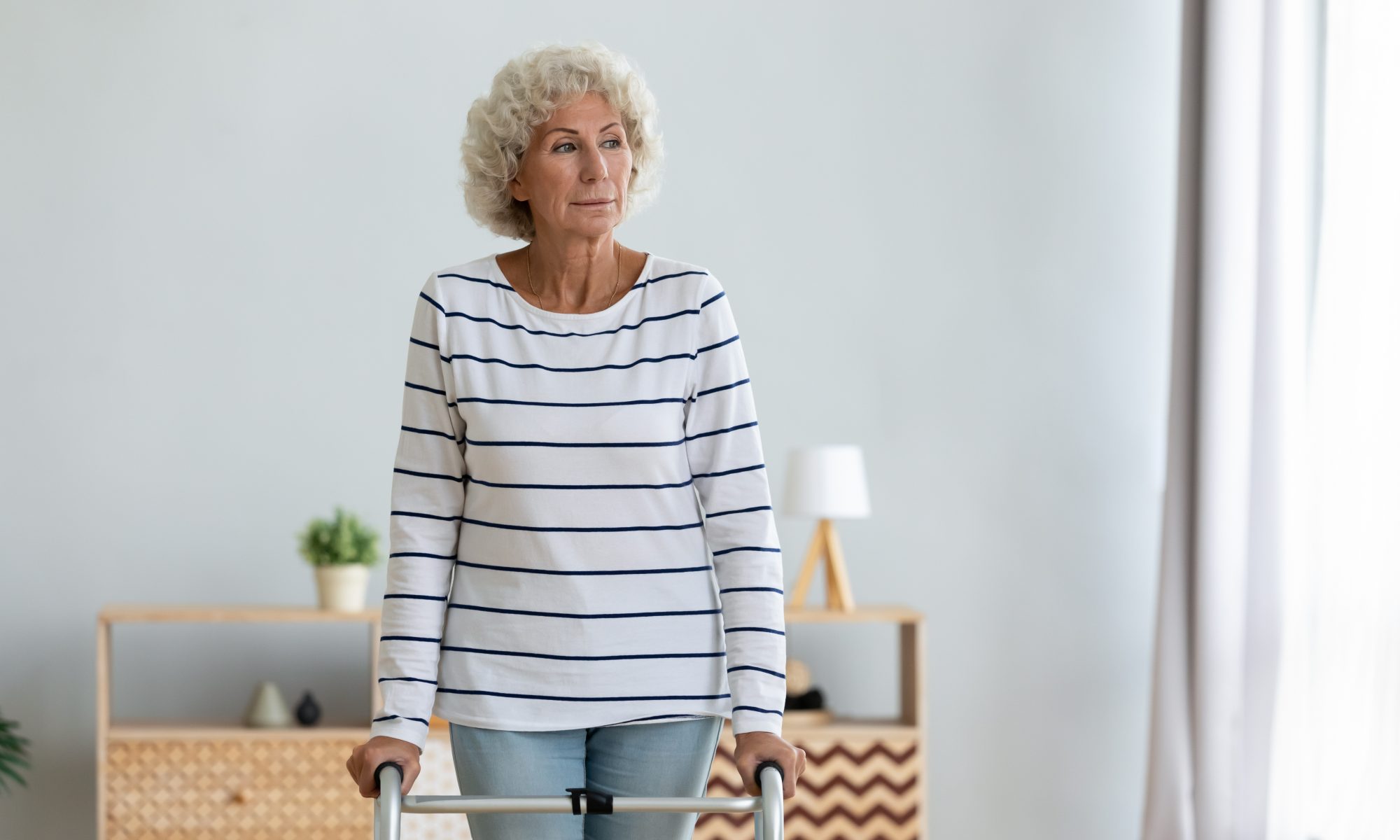
Creating a supportive and safe home environment is essential for a senior loved one living with dementia. Simple modifications to the living space can significantly enhance your loved one’s quality of life, promote independence, and reduce confusion and anxiety. Here’s how you can make a home more dementia friendly.
Increase Safety and Prevent Falls
Minimizing hazards is the first step toward creating a safer environment. People with dementia are often at higher risk for falls due to issues with balance, vision, and cognitive processing.
- Remove tripping hazards – Secure or remove loose rugs, electrical cords, and clutter from walkways.
- Install grab bars – Place sturdy grab bars in bathrooms, hallways, and other key areas to provide support.
- Improve lighting – Ensure all rooms, hallways, and staircases are well lit. Use nightlights in bedrooms and bathrooms to help with navigation after dark.
- Secure furniture – Make sure heavy furniture like bookcases and dressers are anchored to the walls to prevent them from tipping over.
- Lock away hazards – Store medications, cleaning supplies, and sharp objects in locked cabinets. Consider installing safety knobs on stoves.
The cognitive challenges that accompany dementia often leave aging adults unable to manage everyday tasks, which puts their safety and health at risk. If your senior loved one has been diagnosed with a serious condition and needs help with tasks like meal prep, transportation, medication reminders, bathing, and grooming, reach out to Assisting Hands Home Care, a leading provider of home care Miami families can trust. We also offer comprehensive care for seniors with dementia, Alzheimer’s, and Parkinson’s.
Reduce Confusion and Anxiety
A calm and predictable environment can reduce agitation and confusion. The goal is to create a space that feels familiar and is easy to navigate.
- Use labels – Label cabinets, drawers, and doors with clear text and simple pictures to help your loved one find what he or she needs. For example, put a picture of a toilet on the bathroom door.
- Maintain consistency – Keep furniture and everyday items in the same place. A consistent routine and layout can provide a sense of security.
- Minimize noise – Reduce background noise from TVs or radios, as it can be overstimulating and distracting.
- Choose calming colors – Use soft, calming colors for walls and décor. Avoid busy patterns on wallpaper or flooring, as they can be disorienting.
Visual cues can greatly assist your loved one in moving around the home more independently. Contrasting colors are particularly effective.
- Use color contrast – Make important items stand out. For example, use a brightly colored toilet seat in the bathroom or place colored tape on the edges of steps.
- Simplify the space – A cluttered environment can be overwhelming. Keep rooms tidy and organized with clear pathways.
- Remove mirrors – In some cases, your loved one may not recognize his or her own reflection, causing distress. Consider covering or removing mirrors if this becomes an issue.
- Leave doors open – Keep doors to frequently used rooms, such as the bathroom, open so they’re easily visible.
Caring for a loved one with dementia is a challenging task for anyone. The responsibilities can sometimes feel overwhelming, but help is available. Miami respite care professionals can assist seniors with a wide array of daily tasks, offering family caregivers the chance to focus on other personal responsibilities or take a break to prevent burnout. Whether it’s for a few hours a day or a few days a week, home care is the perfect solution for family caregivers who are feeling overwhelmed.
Promote Engagement and Comfort
A dementia-friendly home should also be a place that fosters positive feelings and encourages engagement in meaningful activities.
- Create activity stations – Set up areas for simple enjoyable activities. This could be a small table with a puzzle, a basket of yarn for knitting, or a box of old photos to look through.
- Display familiar objects – Decorate with personal items, photographs, and mementos that evoke positive memories and a sense of identity.
- Ensure comfortable seating – Provide comfortable and supportive chairs in main living areas.
- Make the outdoors accessible – If possible, create a safe and enclosed outdoor space, such as a garden or patio, where your loved one can enjoy fresh air and nature.
Aging in place can present a few challenges for seniors living with dementia. However, with professional dementia care that offers Miami families peace of mind, they can still live independently at home. Families can rely on Assisting Hands Home Care to provide their elderly loved ones with mental and social stimulation, timely medication reminders, assistance with meal prep, and much more. Our caregivers are available around the clock to help your loved one live a happier and healthier life. Call one of our dedicated Care Managers today to learn about the high quality of our in-home care services.